Retailshopping centers, strip centers, single-tenant and mixed-use
Habitationalapartment communities, multifamily and mixed residential
Portfolio viewone schedule, one renewal date, one point of contact
Lender-readyevidence and endorsements that satisfy your loan documents

Two property types, two playbooks

Retail and habitational risks are not the same, and we don’t treat them that way.

Retail & commercial properties

Landlords of shopping centers and tenant-occupied buildings need property coverage for the building, income protection and liability that reflects what tenants actually do.

  • Lessor’s risk and full property programs — matched to who controls the building
  • Tenant insurance requirements — lease language, additional insured status, certificate tracking
  • Loss of rents — income continues if a tenant space or building is damaged
  • Parking lots and common areas — slip, fall and security exposures managed
Habitational & apartments

Residents live on site around the clock, so water, fire, liability and habitability claims behave differently. This is a market that has tightened, and placement takes preparation.

  • Apartment communities & multifamily — owners, investors and managers
  • Mixed-use buildings — residential above, retail below
  • Water and fire controls — leak detection, electrical and roof upkeep presented to underwriters
  • Habitational liability — assault and battery, pools, third-party management

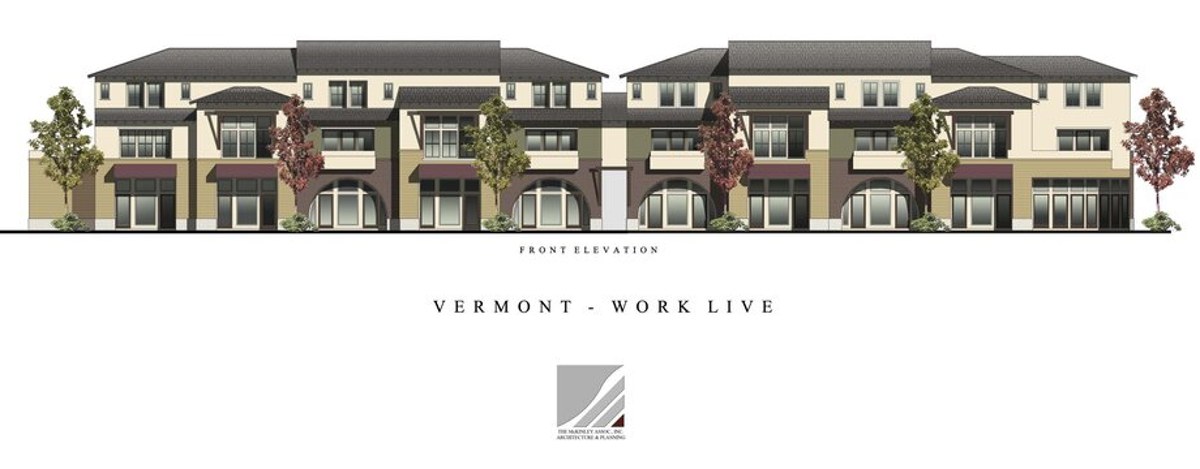
Mixed-use & work-live

Retail below, residents above. Two risks under one roof.

Mixed-use and work-live projects blend a commercial storefront with residential living, and underwriters look at both. Who occupies the ground floor, how the units are leased and how the building is managed all change the program and the price.

  • Property & loss of rents — for the whole building and every income stream
  • Commercial and habitational liability — storefront, residents and common areas
  • New development — builder’s risk through lease-up and stabilization
  • Tenant mix — restaurants and higher-hazard uses flagged early, not at renewal
Architectural rendering of a three-story work-live building with ground-floor storefronts and residences above

What sets us apart

Four things a property owner should expect from a broker.

1

Values that hold up at claim time

Underinsured buildings and out-of-date schedules cost owners the most when a loss hits. We help you build and maintain an accurate statement of values so limits and valuation match the replacement reality.

2

Capacity in a tight market

When carriers pull back from older buildings, coastal or wildfire locations, or habitational exposures, we work the admitted and surplus markets early and layer coverage when one policy is not enough.

3

Loss control that earns better terms

Roofs, plumbing, electrical, fire protection and tenant mix shape your result. We help you document the improvements you make so underwriters price them in.

4

Claims advocacy

Large property claims turn on scope, valuation and time. We stay involved with the adjuster, review the numbers and push for a fair settlement and a timely recovery.

How we work

Renewals that are planned, not rushed.

Real estate insurance rewards early preparation. Here is how we approach each account.

  1. Step 1

    Audit the exposures

    We review schedules, leases, loan documents and loss history to see how the program really performs.

  2. Step 2

    Market with a story

    We prepare a clear submission and take it to the carriers that want your property type and location.

  3. Step 3

    Service and advocate

    Certificates, lender requests and claims handled all year, with a pre-renewal review before the market moves.

Good to know

Terms, availability and pricing vary by property, location and carrier, and coverage depends on the policy wording. We review the details with you and are plain about what a program does and does not cover.

Let’s review your current program.

Send us your schedule of values, expiring policies and loss runs. We will show you where your coverage and pricing stand across the portfolio, and where there is room to do better.